Renal Transplantation Care for End-Stage Kidney Disease
Renal transplantation is an advanced treatment option for patients with end-stage renal disease, offering improved quality of life and long-term kidney function by replacing a damaged kidney with a healthy donor kidney. It is considered when kidney failure has progressed despite ongoing medical care or dialysis support and requires careful evaluation by an experienced nephrology and transplant team.
Symptoms Indicating End-Stage Renal Disease
Patients with ESRD commonly experience persistent fatigue, nausea, vomiting, loss of appetite, disturbed sleep, muscle cramps, and swelling of the hands and feet. These symptoms reflect severe loss of kidney function and signal the need for advanced renal care and specialist assessment.
Common Causes of ESRD
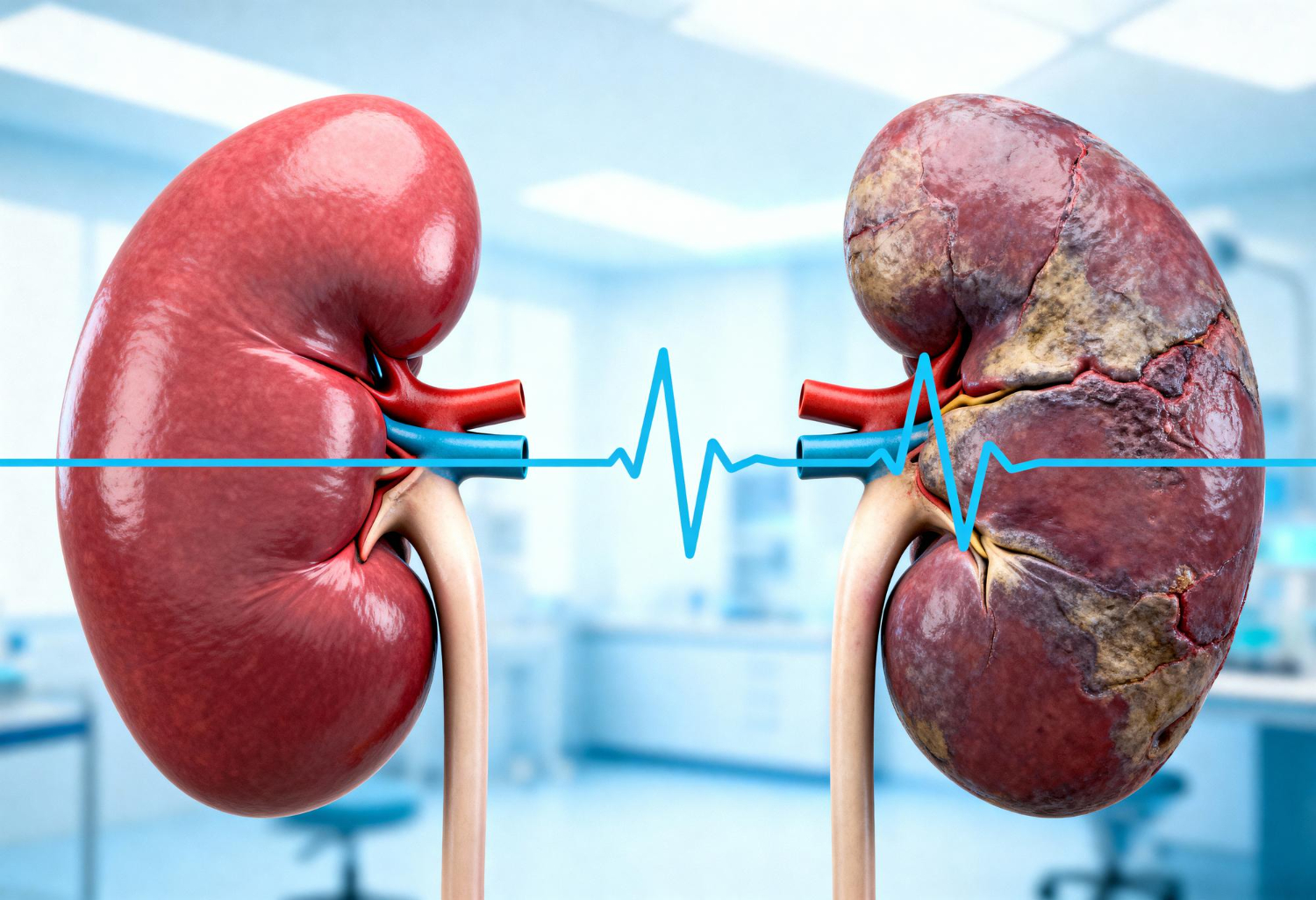
End-stage kidney disease most often develops due to long-standing diabetes, uncontrolled high blood pressure, chronic glomerulonephritis, or inherited conditions such as polycystic kidney disease. Progressive kidney damage from these conditions eventually leads to irreversible loss of renal function.
Who May Benefit from Renal Transplantation
Renal transplantation is considered for patients with ESRD who do not achieve adequate health or quality of life with dialysis alone. Each patient undergoes a detailed medical evaluation to determine suitability, as factors such as overall health, infection risk, and medical stability play a crucial role in transplant eligibility.
Care Guidelines After Kidney Transplantation
Patients must strictly follow the treatment plan advised by their healthcare team, including medications, diet, and regular follow-ups. Prescribed immunosuppressive medications should be taken exactly as directed to prevent rejection. A balanced diet and healthy lifestyle are essential, while activities that place strain on the transplanted kidney should be avoided. Preventing infections and adhering to medical advice are key to long-term transplant success.
How Renal Transplantation Is Performed
Renal transplantation involves surgically placing a healthy kidney from a living or deceased donor into the patient’s body. Post-surgery, patients are closely monitored to ensure proper kidney function and early detection of complications. Long-term care includes regular follow-up visits, laboratory monitoring, and lifelong medications to support the transplanted kidney and maintain overall health.
Why Choose Dr. S. Venkatesh Rajkumar
Dr. S. Venkatesh Rajkumar is a renowned Consultant Nephrologist in Chennai, known for delivering comprehensive, ethical, and evidence-based kidney care.
© 2025 Dr. Venkatesh Rajkumar. All Rights Reserved.
Powered By