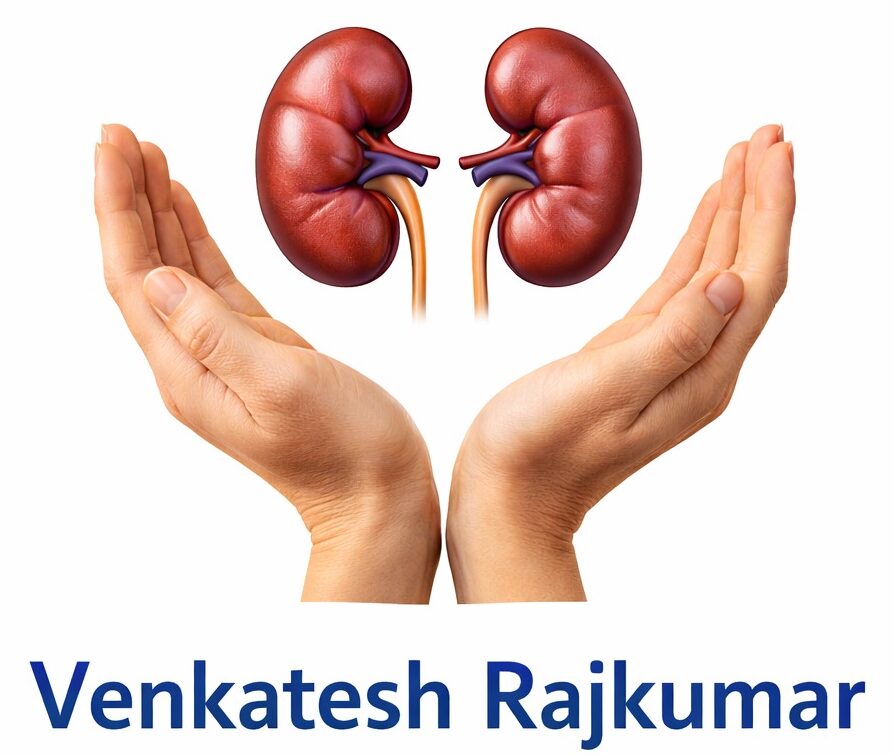

What is Diabetic Nephropathy?
Diabetic nephropathy is a type of kidney disease caused by diabetes. It happens when high blood sugar damages the tiny filters in your kidneys. Over time, this damage can lead to kidney failure. In fact, diabetic nephropathy is a leading cause of kidney disease in diabetes worldwide. Because early stages may not show symptoms, regular check-ups are important. Protecting kidney health is vital for people with diabetes.
Causes of Diabetic Nephropathy
Diabetic nephropathy develops when high blood sugar harms the kidneys. However, several factors can increase your risk. For example, high blood pressure can speed up kidney damage. In addition, genetics may play a role. Smoking and being overweight also raise your risk. The longer you have diabetes, the higher your chance of developing diabetic kidney complications.
Common Symptoms
At first, diabetic nephropathy may not cause any symptoms. But as the disease progresses, signs can appear. Early detection is key, so watch for these symptoms:
Because these symptoms can be mild at first, regular kidney checks are important for people with diabetes.
Diagnosis
Doctors use several tests to diagnose diabetic nephropathy. First, they may check your urine for protein. Protein in urine is often an early sign of kidney damage. Next, blood tests can measure how well your kidneys are working. In some cases, doctors may use imaging tests to look at your kidneys. Early diagnosis helps slow down kidney damage.
Treatment Options
Treating diabetic nephropathy focuses on slowing kidney damage. Managing blood sugar and blood pressure is very important. Doctors may prescribe medicines to lower blood pressure and protect your kidneys. In some cases, you may need to change your diet. If kidney damage becomes severe, dialysis or a kidney transplant may be needed. However, early treatment can help prevent these outcomes.
Lifestyle Tips and Prevention
Although diabetic nephropathy is serious, you can take steps to lower your risk. Healthy habits make a big difference. For example, eating a balanced diet helps control blood sugar. Regular exercise also supports kidney health. In addition, quitting smoking protects your kidneys. Here are some tips to help prevent diabetic kidney complications:
When to See a Doctor
If you have diabetes, regular doctor visits are important. However, see your doctor right away if you notice swelling, changes in urination, or other symptoms listed above. Early action can help protect your kidney health. Your doctor can guide you on the best steps for your situation.
For personalized advice on diabetic nephropathy, consult Dr. Pradeep Sridharan for expert care and guidance.