What is a Renal Biopsy?
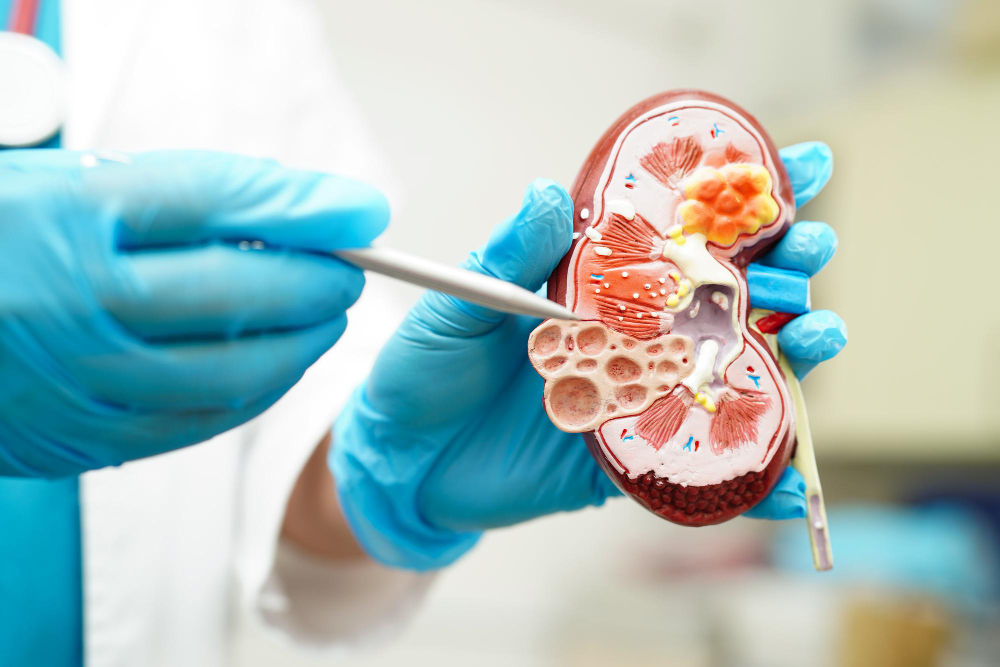
A renal biopsy is a medical test. Doctors use it to take a small piece of kidney tissue. This tissue is then checked under a microscope. Often, a renal biopsy helps find the cause of kidney problems. Many people hear myths about this test. However, knowing the facts can help you feel less worried.
Common Myths about Renal Biopsy
Many myths about renal biopsy can cause fear. But, most are not true. Here are some common myths:
Facts about Renal Biopsy
Now, let’s look at the real facts. These facts are based on trusted sources like the WHO and nephrology journals:
Why Understanding the Truth Matters
Knowing the truth about renal biopsy helps you make better choices. For example, you may feel less scared if you know what to expect. Also, you can talk openly with your doctor. This helps you get the best care for your kidneys.
When is a Renal Biopsy Needed?
Doctors may suggest a renal biopsy for several reasons. For instance, you may need one if:
In some places, like large cities, you may have more access to this test. However, the reasons for a biopsy are the same everywhere.
Safety and Risks: What You Should Know
Renal biopsy is safe for most people. Still, like any test, it has some risks. For example, you might have:
Doctors take steps to lower these risks. They check your health before the test. In addition, they watch you closely after the biopsy. According to the CDC, serious problems are rare.
How to Prepare for a Renal Biopsy
Proper preparation helps the test go smoothly. Here are some steps you may need to follow:
Always follow your doctor’s instructions. This helps keep you safe during the biopsy.
Recovery and Aftercare Tips
After a renal biopsy, you will rest for a few hours. Most people can go home the same day. However, you should:
With good care, most people recover quickly. But, always follow your doctor’s advice for the best results.
In summary, knowing the facts about renal biopsy can help you feel calm and prepared. If you have questions, consult a nephrologist at Delta Scans for personalized advice about renal biopsy.