What is Hemodialysis?
Hemodialysis is a medical treatment that helps clean your blood when your kidneys cannot do the job. Usually, healthy kidneys remove waste and extra fluid from your body. However, when kidneys fail, hemodialysis steps in to filter your blood. This process uses a special machine to remove toxins and keep your body balanced. For many people, hemodialysis is a life-saving therapy.
Who Needs Hemodialysis?
Not everyone needs hemodialysis. However, people with severe kidney failure or chronic kidney disease often require this treatment. If your kidneys lose most of their function, your doctor may suggest hemodialysis. Sometimes, people with sudden kidney injury may also need it. In many cases, hemodialysis is needed until a kidney transplant is possible.
How Does Hemodialysis Work?
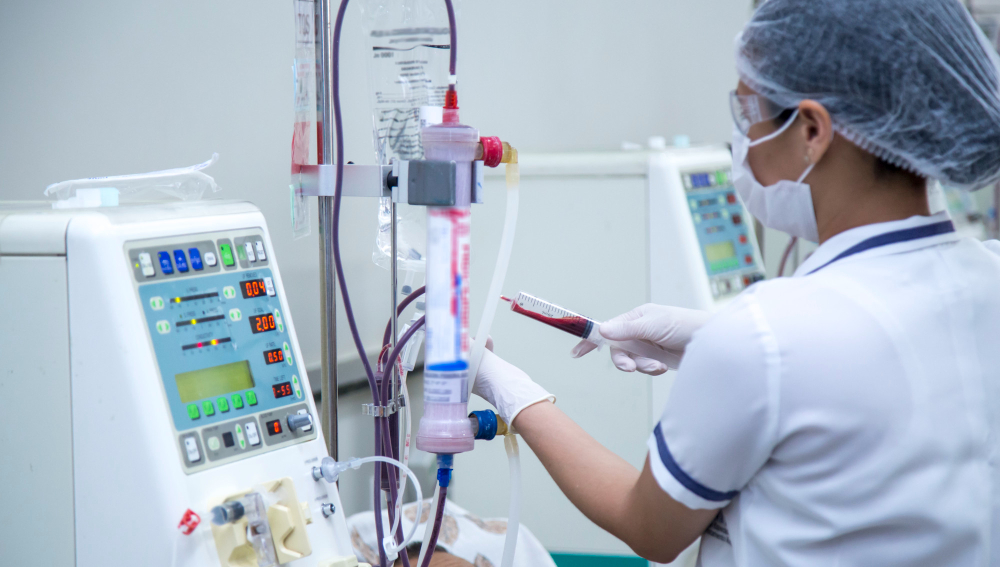
During hemodialysis, your blood flows through a machine called a dialyzer. This machine acts like an artificial kidney. It removes waste, salt, and extra water from your blood. Then, the clean blood returns to your body. Most people need hemodialysis three times a week. Each session usually lasts about four hours. Although the process may sound complex, trained nurses and doctors guide you every step of the way.
Common Symptoms Leading to Hemodialysis
Many symptoms can signal kidney problems. If you notice these signs, you should talk to your doctor:
Because these symptoms can worsen over time, early detection is important.
Causes for Needing Hemodialysis
Several health conditions can damage your kidneys. The most common causes include:
Since these conditions can harm your kidneys slowly, regular check-ups help catch problems early.
Diagnosis and Preparation for Hemodialysis
Doctors use blood and urine tests to check how well your kidneys work. They look for waste buildup and measure kidney function. If your kidneys are not working well, your doctor may suggest hemodialysis. Before starting, you will need a minor surgery to create a vascular access. This access allows blood to flow in and out during treatment. Your care team will explain the process and answer your questions.
Hemodialysis Procedure: Step-by-Step
Here is what you can expect during a typical hemodialysis session:
Because each session takes a few hours, you may want to bring a book or music to help pass the time.
Risks and Side Effects of Hemodialysis
While hemodialysis is safe, it can have some risks and side effects. Common issues include:
However, your care team will monitor you closely to manage these problems. If you notice any new symptoms, tell your doctor right away.
Lifestyle Tips for Patients on Hemodialysis
Living with hemodialysis can be challenging, but many people lead full lives. Here are some helpful tips:
Because support from family and friends matters, do not hesitate to ask for help when needed.
Prevention and Kidney Health Maintenance
Although not all kidney problems can be prevented, you can lower your risk. Try these steps:
Because early action can protect your kidneys, talk to your doctor about your kidney health.
Conclusion
Hemodialysis is a vital treatment for people with kidney failure. Although it may seem overwhelming, many patients adjust well with the right support. For the best care, consult a kidney specialist at Delta Scans for personalized advice on hemodialysis.