
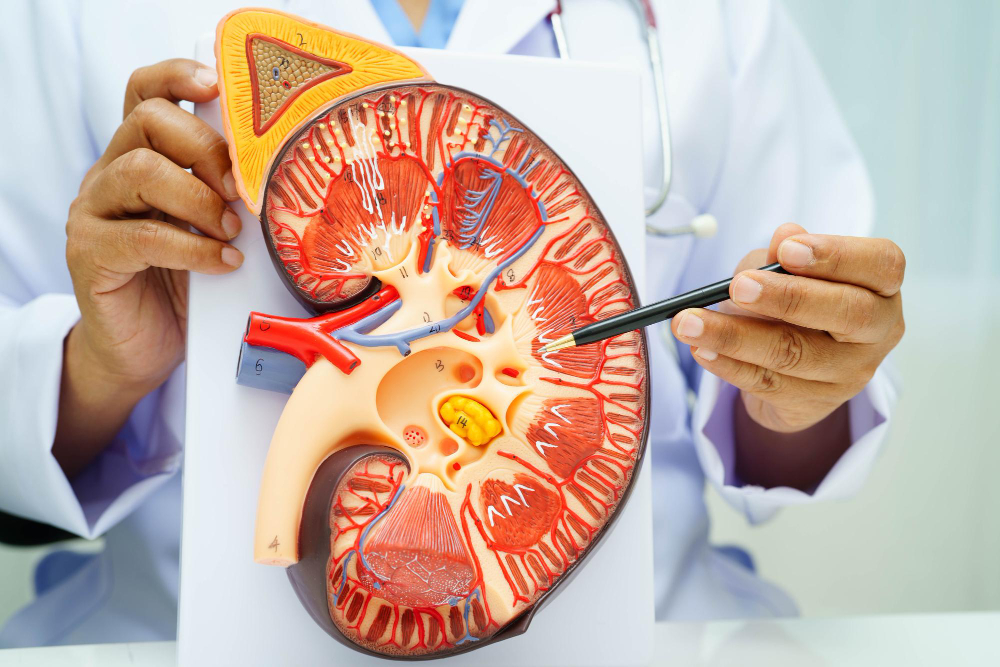
Anaemia in kidney disease is a common problem for people with chronic kidney disease. It means there is not enough healthy red blood cells to carry oxygen. Because of this, people may feel tired or weak. But why do failing kidneys cause low haemoglobin? Healthy kidneys help make a hormone called erythropoietin, or EPO. This hormone tells the body to make red blood cells. When kidneys do not work well, EPO drops. As a result, the body cannot make enough red blood cells. This leads to anaemia in kidney disease.
What Is Anaemia in Kidney Disease?
Anaemia is when your blood has too few red blood cells or not enough haemoglobin. Haemoglobin is the part of red blood cells that carries oxygen. In people with kidney disease, anaemia often happens as the kidneys get weaker. For many, this is called chronic kidney disease anaemia. It is a serious health issue, but it can be managed with care.
How Healthy Kidneys Affect Haemoglobin Levels
Healthy kidneys do more than filter waste. They also help keep blood healthy. For example, kidneys make EPO, a hormone that tells bone marrow to make red blood cells. With enough EPO, your body keeps a steady supply of red blood cells. This keeps haemoglobin at the right level. As a result, your organs and muscles get the oxygen they need.
Why Failing Kidneys Cause Low Haemoglobin
When kidneys start to fail, they make less EPO. Because of this, the bone marrow does not get the signal to make red blood cells. Over time, this leads to fewer red blood cells and lower haemoglobin. Other reasons for low haemoglobin in kidney disease include:
Because of these factors, people with kidney disease are at higher risk for anaemia symptoms.
Common Symptoms of Anaemia in Kidney Disease
Anaemia symptoms in kidney patients can be mild or severe. Sometimes, they are easy to miss. However, knowing the signs can help you get care sooner. Common symptoms include:
If you notice these symptoms, talk to your doctor. Early treatment can help improve your quality of life.
How Anaemia in Kidney Disease Is Diagnosed
Doctors use blood tests to check for anaemia in kidney disease. First, they measure haemoglobin levels. If the level is low, they may also check:
With these tests, doctors can find the cause of low haemoglobin. This helps them choose the right treatment for you.
Treatment Options for Anaemia in Kidney Disease
Treating anaemia in kidney disease depends on the cause and how severe it is. Common treatments include:
Doctors will check your blood often to see how well treatment is working. According to the World Health Organization, treating anaemia can help improve energy and heart health.
Lifestyle Tips for Managing Anaemia with Kidney Disease
Simple lifestyle changes can help manage anaemia and support kidney function and blood health. For example, you can:
Because every person is different, always check with your healthcare provider before making changes.
Preventing Anaemia in People with Kidney Disease
While not all cases can be prevented, some steps may lower your risk of anaemia in kidney disease. For instance, you can:
Early care and healthy habits can help protect your blood health and keep you feeling your best.
Conclusion
If you have kidney disease and notice signs of anaemia, Dr. Venkatesh is here to help. Book a consultation today to discuss your symptoms and get the right care for your needs.
If you have kidney disease and notice signs of anaemia, Venkatesh Nephrologist is here to help. Book a consultation today to discuss your symptoms and get the right care for your needs.