
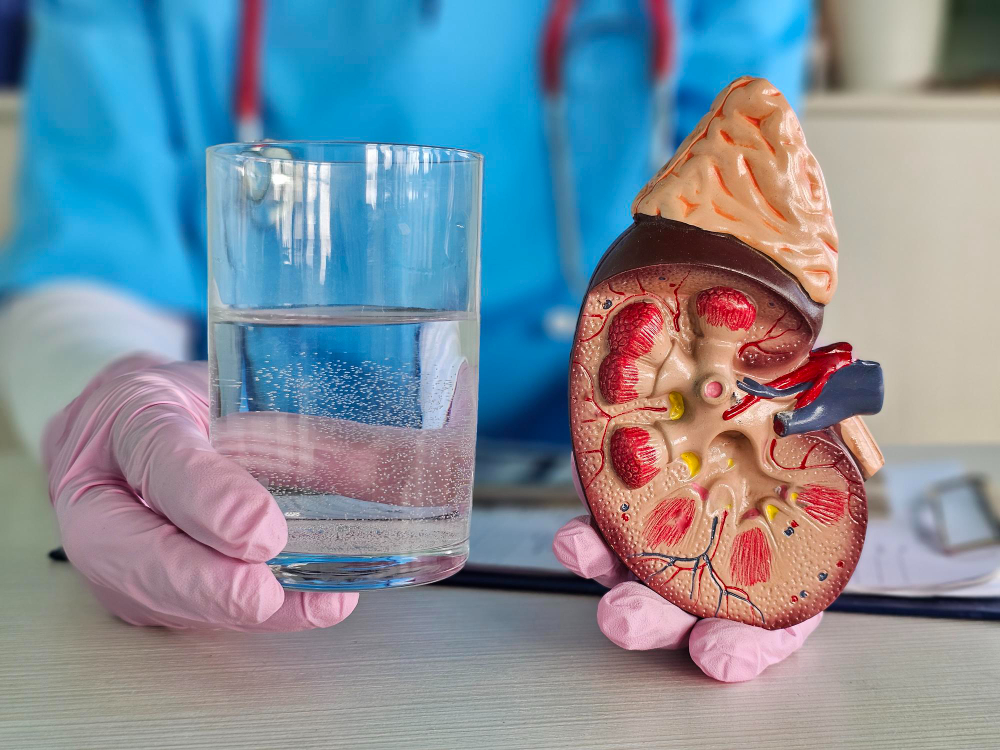
What Is Electrolyte Imbalance?
Electrolyte imbalance in kidney disease is a common problem. Electrolytes are minerals in your blood, like sodium, potassium, and calcium. These minerals help your body work well. For example, they control your heartbeat, muscles, and nerves. When the amounts of these minerals are too high or too low, it is called an electrolyte imbalance.
Usually, your kidneys keep electrolytes balanced. However, if your kidneys are not healthy, they may not do this job well. As a result, you may feel sick or notice changes in your body. Understanding electrolyte imbalance helps you spot early signs and get help quickly.
How Kidney Disease Causes Electrolyte Imbalance
Kidney disease affects how your body manages electrolytes. Normally, kidneys filter waste and control minerals in your blood. But when kidneys are damaged, they cannot filter as well. Because of this, minerals like potassium or sodium can build up or drop too low.
For instance, chronic kidney disease often leads to high potassium levels. This can be dangerous for your heart. In addition, low calcium or high phosphate may happen. These changes can harm your bones and muscles. Over time, these imbalances can cause serious health problems if not treated.
Key Signs and Symptoms to Watch For
It is important to know the symptoms of electrolyte imbalance. Early warning signs can help you get care sooner. Although symptoms may be mild at first, they can get worse quickly. Watch for these common signs:
Sometimes, these symptoms of electrolyte imbalance may seem like other health problems. However, if you have kidney disease, you should pay close attention to these warning signs.
Diagnosis of Electrolyte Imbalance in Kidney Disease
Doctors use blood tests to check for electrolyte imbalance in kidney disease. These tests measure levels of sodium, potassium, calcium, and other minerals. In addition, your doctor may check your kidney function with tests like creatinine or eGFR.
Sometimes, urine tests help find out how well your kidneys are working. If you have symptoms, your doctor may repeat tests often. This helps track changes and adjust your treatment as needed. Early diagnosis can prevent serious problems.
Treatment Options and Lifestyle Tips
Treating electrolyte imbalance in kidney disease depends on the cause. Your doctor may suggest changes in your diet. For example, you may need to eat less salt or potassium. Sometimes, medicines help remove extra minerals or add what is missing.
In severe cases, you might need dialysis. Dialysis helps your body get rid of extra waste and minerals. Along with treatment, healthy habits can help. For instance:
With the right care, you can manage symptoms and feel better. Always talk to your healthcare team before making any changes.
Prevention and Monitoring
Preventing electrolyte imbalance in kidney disease is possible with good habits. First, regular blood tests help catch changes early. Because kidney disease can get worse over time, ongoing monitoring is important.
Also, follow your treatment plan and take medicines as directed. Eat a balanced diet that fits your kidney needs. Stay active, but check with Dr. Venkatesh about safe activities. If you notice new symptoms, let your doctor know right away. Early action can help prevent serious problems and keep you healthy.