What is IgA Nephropathy?
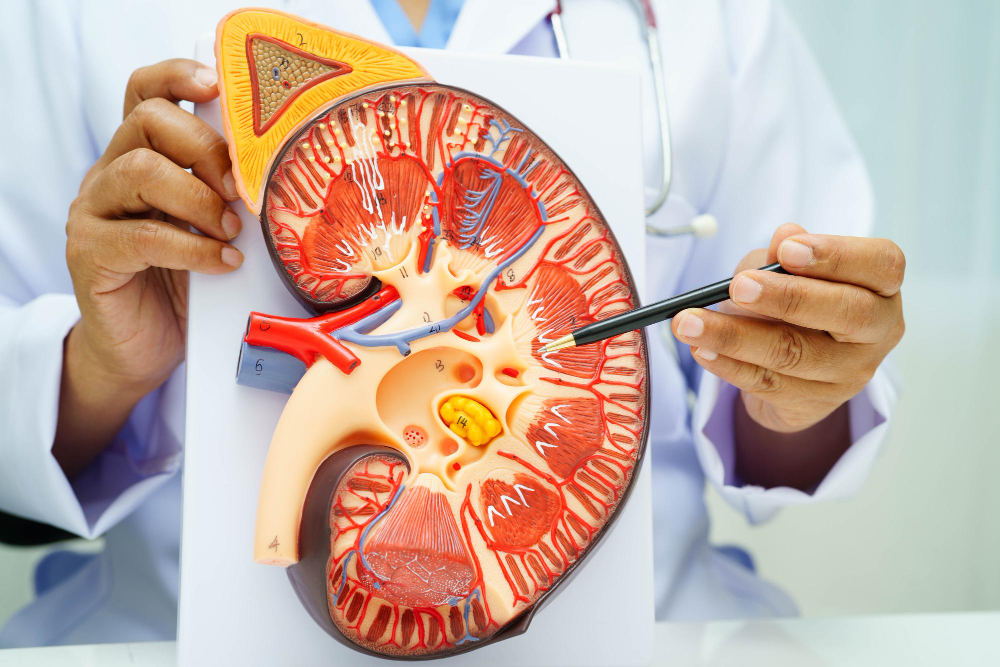
IgA Nephropathy is a kidney disease that affects many people worldwide. In this condition, a protein called IgA builds up in the kidneys. As a result, the kidneys can become inflamed and may not work well over time. Because IgA Nephropathy is one of the most common kidney diseases, it is important to know its signs and how to manage it. Early detection can help slow down kidney damage.
Common Symptoms
Often, IgA Nephropathy does not cause symptoms at first. However, as the disease progresses, you may notice some changes. For example, you might see blood in your urine. This is one of the early signs of IgA Nephropathy. Other symptoms can include:
Because these symptoms can be mild, it is easy to miss them. Therefore, regular check-ups are important, especially if you have risk factors.
Causes and Risk Factors
Doctors do not know the exact cause of IgA Nephropathy. However, it happens when the immune system makes too much IgA protein. This protein then collects in the kidneys and causes damage. Some factors can increase your risk:
While anyone can get this disease, knowing your risk can help you watch for early signs.
How IgA Nephropathy is Diagnosed
Doctors use several tests to diagnose IgA Nephropathy. First, they may check your urine for blood or protein. Next, they may order blood tests to see how well your kidneys are working. Sometimes, a kidney biopsy is needed. In this test, a small piece of kidney tissue is examined under a microscope. This helps confirm the diagnosis. Early diagnosis can lead to better kidney disease treatment and outcomes.
Treatment Options
Treatment for IgA Nephropathy depends on how severe the disease is. While there is no cure, many treatments can help slow kidney damage. Your doctor may suggest:
In severe cases, kidney disease treatment may include dialysis or a kidney transplant. However, most people can manage their condition with medicines and lifestyle changes.
Lifestyle Tips for Managing IgA Nephropathy
Along with medical treatment, healthy habits can help protect your kidneys. For example, you can:
Because stress can affect your health, try to manage it with relaxation techniques. Always talk to your doctor before making big changes to your diet or exercise routine.
Prevention and Outlook
Currently, there is no sure way to prevent IgA Nephropathy. However, early detection and treatment can slow its progress. Most people with mild disease live normal lives. Yet, some may develop chronic kidney disease over time. Regular check-ups and following your treatment plan are key to a better outlook.
When to See a Doctor
If you notice blood in your urine, swelling, or changes in how often you urinate, see a doctor. Also, if you have a family history of kidney disease, regular screening is important. Early signs of IgA Nephropathy can be easy to miss, so do not ignore symptoms. Timely care can make a big difference.
For personalized advice on IgA Nephropathy, consult a kidney specialist Dr. Venkatesh.