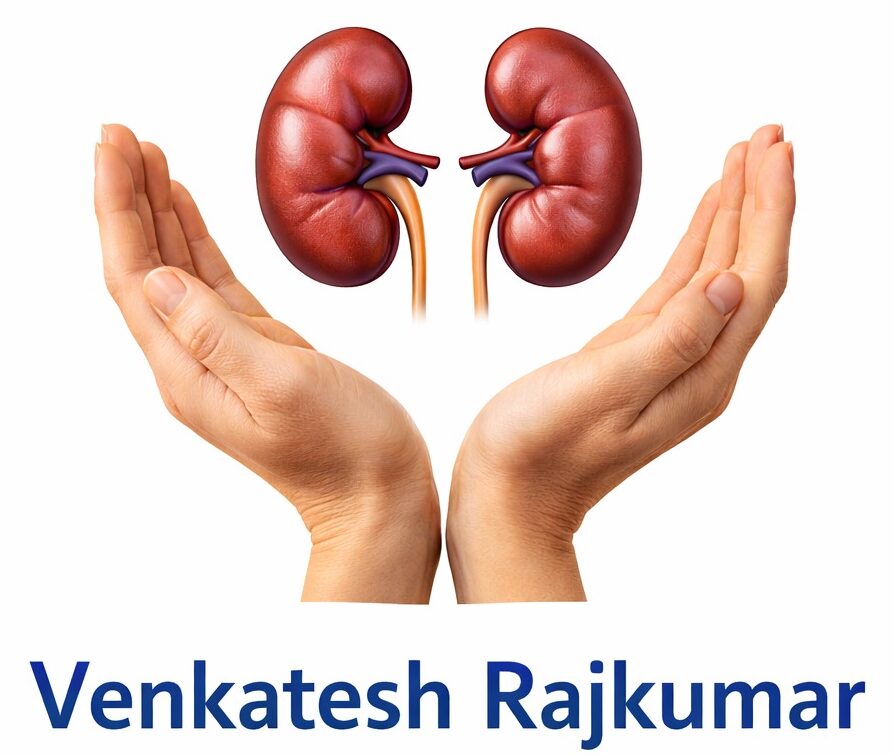

What is Chronic Kidney Disease (CKD)?
Chronic Kidney Disease (CKD) means your kidneys are not working as well as they should. Over time, this condition can get worse. Because your kidneys filter waste and extra water from your blood, CKD can lead to a buildup of harmful substances. Early stages may not show clear signs. However, CKD can cause serious health problems if left untreated. According to the CDC, millions of people worldwide live with CKD. Early detection and treatment can help slow its progress.
Common Symptoms of CKD
CKD often develops slowly. Many people do not notice symptoms at first. But as the disease gets worse, you may notice changes. For example, you might feel more tired than usual. Below are common symptoms of CKD:
Because these symptoms can be mild, it is important to talk to your doctor if you notice any changes.
Causes and Risk Factors
CKD can happen for many reasons. Some people are more likely to get it than others. Knowing the causes and risk factors can help you stay alert. Common causes include:
In addition, people from some ethnic backgrounds may have a higher risk. For example, African Americans, Hispanics, and Asians are more likely to develop CKD. If you have any of these risk factors, regular check-ups are important.
How CKD is Diagnosed
Doctors use several tests to find out if you have CKD. Early diagnosis can help prevent further damage. Common tests include:
If your doctor suspects CKD, they may repeat these tests over time. This helps them track changes in your kidney health.
Treatment Options for CKD
Treatment for CKD depends on how severe the disease is. Early stages may only need lifestyle changes and medicine. However, advanced CKD may require more care. Treatment options include:
Your doctor will create a plan that fits your needs. Because CKD can affect other parts of your body, regular follow-ups are important.
Lifestyle Tips for Managing CKD
Living with CKD can be challenging. But, healthy habits can make a big difference. Try these lifestyle tips:
Because every person is different, your doctor may suggest other tips based on your health.
Preventing CKD
Although not all cases can be prevented, you can lower your risk. For example, you can:
Early action can help protect your kidneys and prevent CKD from getting worse.
Consult Dr. Pradeep Sridharan, a nephrologist, for personalized advice on CKD management.