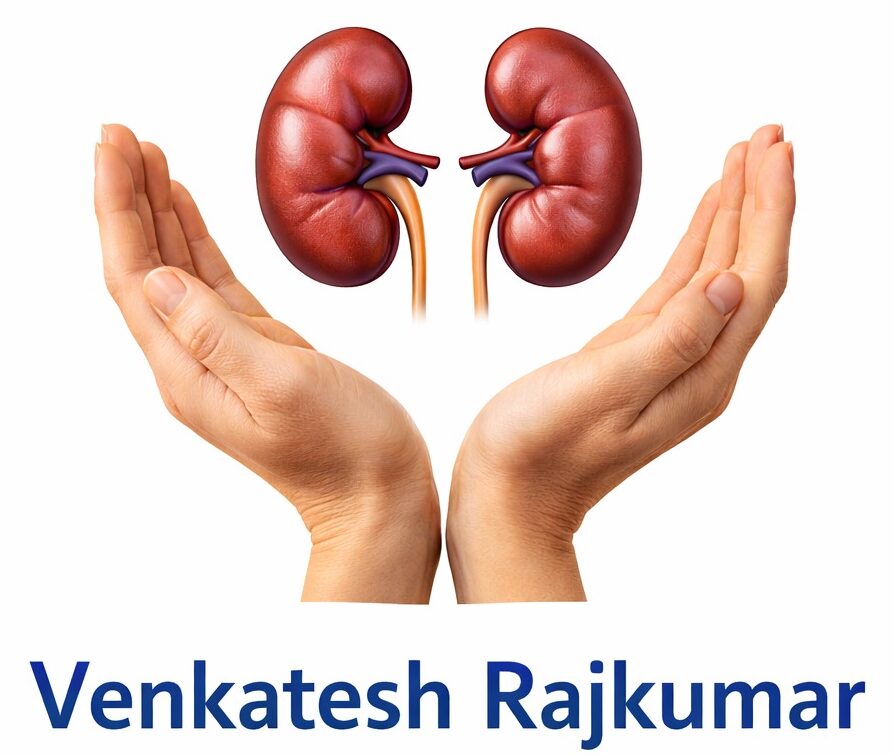

Hydronephrosis is a condition where one or both kidneys swell because urine cannot drain properly. This swelling often happens due to a blockage in the urinary tract. If left untreated, hydronephrosis can lead to kidney damage. Therefore, early diagnosis of a blockage is crucial. Quick action helps prevent permanent harm and keeps your kidneys healthy. In this blog, you will learn about hydronephrosis, its symptoms, causes, and why early detection matters.
What Is Hydronephrosis?
Hydronephrosis means the kidney becomes swollen because urine builds up inside. Usually, urine flows from the kidney to the bladder. However, a blockage or other problem can stop this flow. As a result, the kidney stretches and swells. Over time, this can damage the kidney’s delicate tissues. According to the World Health Organization (WHO), untreated hydronephrosis can cause lasting kidney problems.
Common Causes of Hydronephrosis
Many things can cause hydronephrosis. Some causes are more common than others. For example, a blockage in the urinary tract is a leading reason. But there are other causes, too. Here are some common ones:
Sometimes, the cause is not clear right away. Still, doctors can use tests to find the problem.
Symptoms to Watch For
Early signs of hydronephrosis can be easy to miss. However, knowing what to look for can help you get care sooner. Common hydronephrosis symptoms include:
Sometimes, people have no symptoms at first. That is why regular check-ups are important, especially if you have kidney problems.
How Hydronephrosis Is Diagnosed
Doctors use several methods for kidney blockage diagnosis. First, they ask about your symptoms and medical history. Next, they may do a physical exam. After that, they often order tests, such as:
Early diagnosis helps doctors find the cause and start treatment quickly. According to the CDC, imaging tests are very helpful in spotting hydronephrosis early.
Why Early Diagnosis Matters
Early diagnosis of hydronephrosis is vital for several reasons. First, it helps prevent permanent kidney damage. When urine stays trapped, it can harm kidney tissue. Over time, this damage may not heal. Second, early treatment lowers the risk of infection. Infections can spread and cause serious health problems. Third, finding the cause early allows for better treatment choices. For example, removing a kidney stone is easier before damage occurs. Therefore, acting fast protects your long-term kidney health.
Treatment Options for Hydronephrosis
Treatment depends on the cause and how severe the blockage is. Doctors may suggest:
In many cases, early treatment leads to a full recovery. However, waiting too long can make treatment harder and less effective.
Preventing Permanent Kidney Damage
Preventing kidney damage starts with early action. Here are some steps you can take:
By acting early, you can avoid lasting harm and keep your kidneys healthy. The National Kidney Foundation stresses the importance of early care for preventing kidney damage.
When to See a Doctor
If you notice any signs of hydronephrosis, do not wait. For example, pain in your side, blood in your urine, or fever should prompt a visit to your doctor. Even mild symptoms can signal a problem. Early signs of hydronephrosis are easier to treat. Therefore, quick action can make a big difference. If you have a history of kidney stones or urinary problems, regular check-ups are wise.
Consult a healthcare specialist at Delta Scans promptly if you notice symptoms of hydronephrosis or have concerns about kidney health.